What is the difference between whey protein and mass gainer?
Whey protein is a milk-derived protein ingredient. A whey powder is generally bought for its protein contribution. A mass gainer is generally positioned as a powder that adds energy as well as protein, often using a combination of protein and carbohydrate ingredients. The names describe a product category, not an identical recipe across every brand.
Your actual comparison should start with the pack: how much protein, carbohydrate, fat and energy does the stated serving provide? A bigger scoop can make the numbers look bigger without making a product more concentrated. Do not assume that every whey product is low in carbohydrate or that every mass gainer contains the same calorie amount.
A practical comparison checklist
- Main question: are you comparing protein contribution, total energy contribution, or both?
- Serving size: record the grams of powder in the declared serving for each pack.
- Nutrition: compare the label's energy, protein, carbohydrate and fat on the same basis.
- Ingredients: check the actual protein sources and carbohydrate ingredients rather than relying on a blend name.
- Suitability: review allergens, directions and warnings on both products.
- Value: compare cost per declared serving after you have compared what each serving contains.
For the protein ingredient and food-first context, see the NIH sports supplement guide. Its guidance makes clear that a supplement can help fill a dietary gap; buying one does not replace a suitable diet and training routine.
Why serving size changes the comparison
Imagine two hypothetical powders. Pack A lists 24 g protein in a 30 g serving. Pack B lists 30 g protein in a 100 g serving. The second serving contains more grams of protein, but it also uses over three times as much powder.
On an equal 100 g basis, A provides 80 g protein and B provides 30 g. This is a maths example, not a PCS product specification and not a claim that one category is automatically better. You would still need the energy, carbohydrate, fat, ingredients and intended use to make a useful decision.
Learn the same calculation in our protein-per-scoop and cost guide.
Should a beginner choose whey or a mass gainer?
Being a gym beginner does not decide the purchase by itself. Write down what you eat on a normal training day and a normal rest day. Identify what is difficult in practice: arranging meals, getting a convenient protein-containing option, or understanding portion sizes.
Then compare a product with that specific problem. Someone already eating enough for their needs may not need either. Someone unsure about their nutrition needs can ask a qualified dietitian rather than choosing from body-type labels such as “hard gainer”.
If you have a milk allergy, whey is not an appropriate ingredient to overlook. Read every product's allergen declaration; a mass gainer can also contain milk or other allergens. The FDA food-allergy resource explains why ingredient and allergen information matters. It is a health-information source, not a statement about Indian labelling law.
Does a mass gainer guarantee weight or muscle gain?
No. The product name does not promise a particular outcome. Avoid buying based on a fixed “gain X kilograms” claim or expecting a powder to replace a consistent food and exercise plan. Product choice is only one part of a routine, and individual results differ.
Compare the PCS ranges
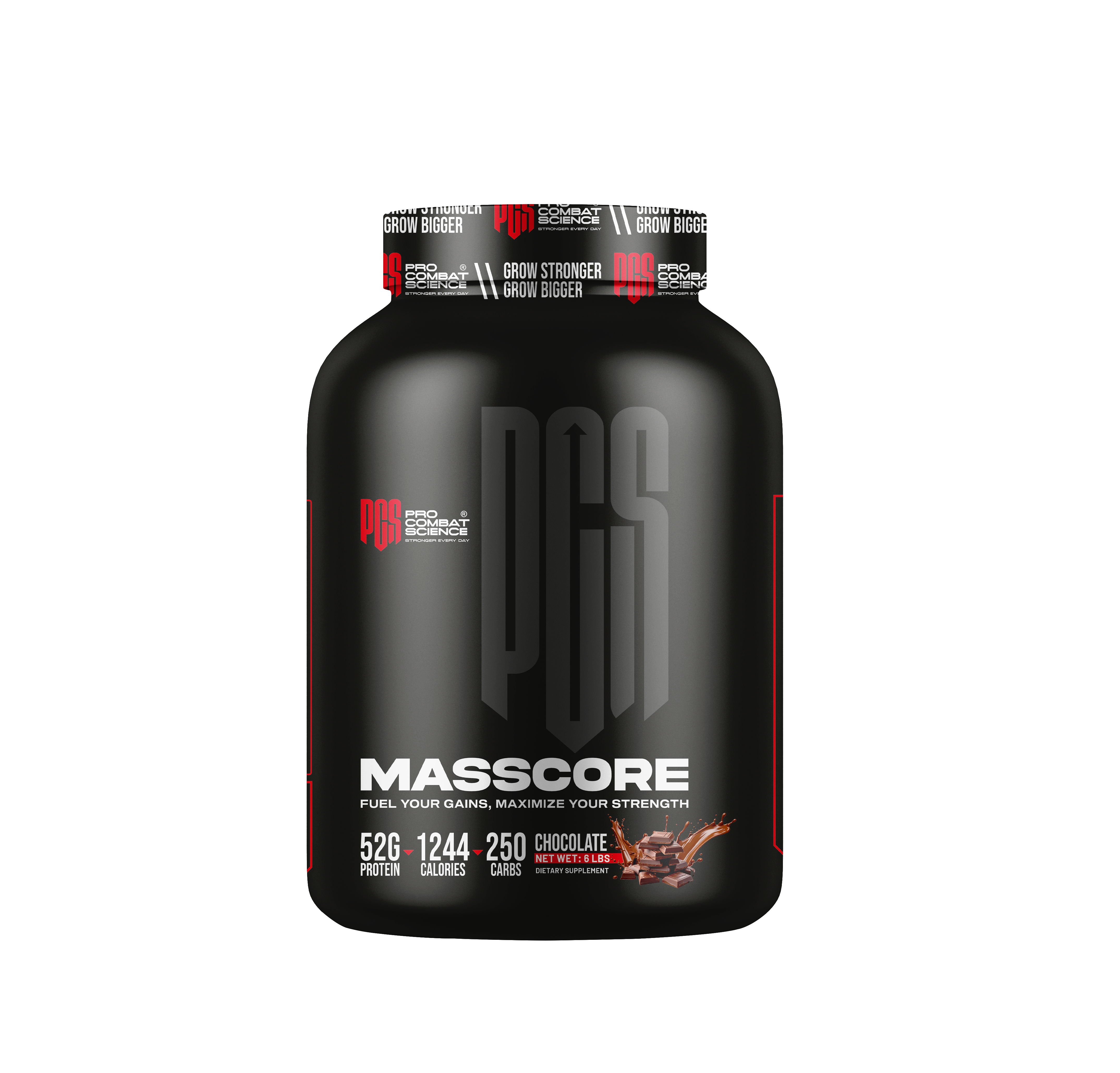
Browse PCS whey protein and PCS mass gainers. Open the exact flavour and size for current price, ingredients and label information. Check the pack you receive because formulations, serving statements and availability should be confirmed from the current label.
Keep the invoice, check the seal, and use the PCS product verification page for the printed code. Code registration is one traceability check; it cannot establish the contents or condition of a tub.