
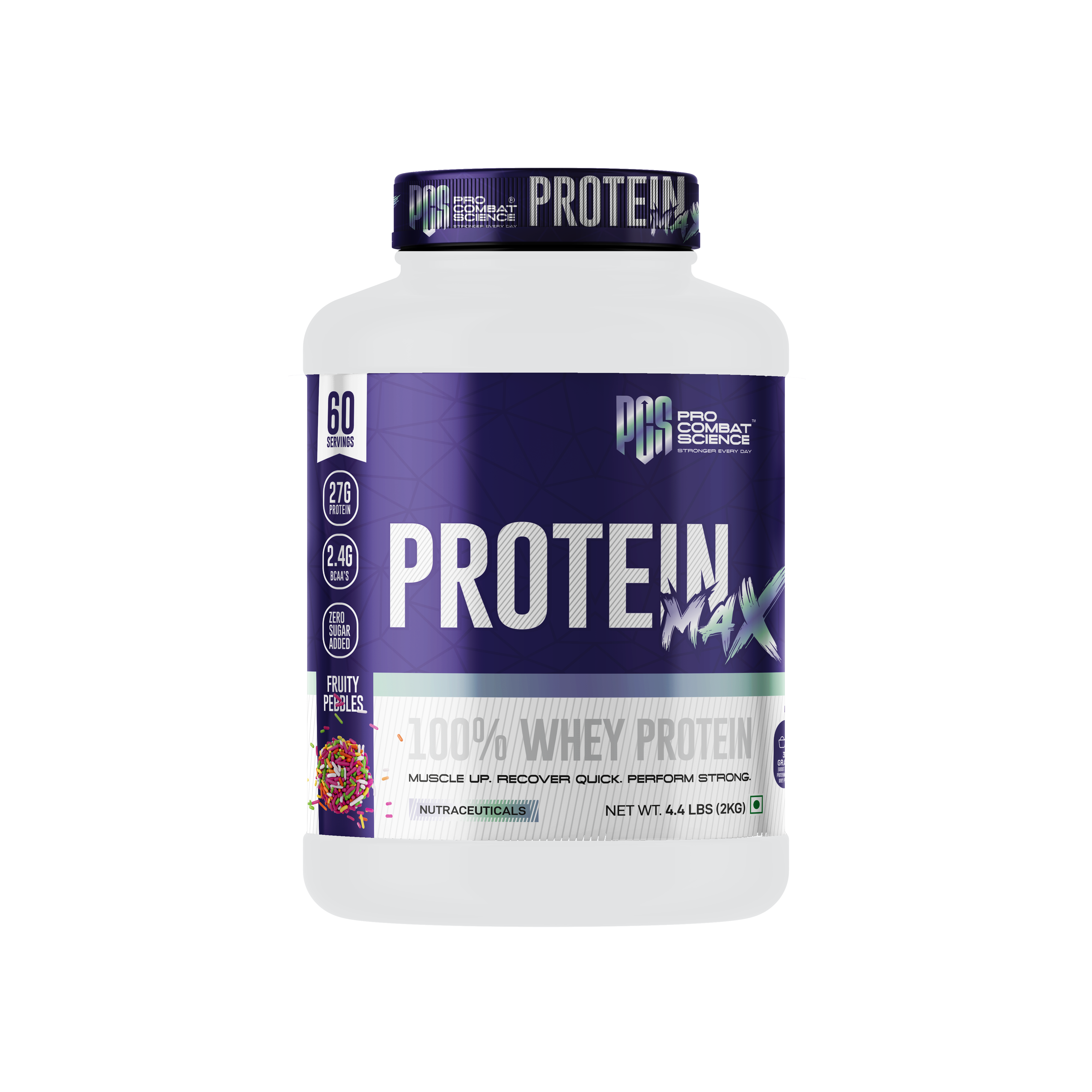
Start with the pack, not the promise
Sports-nutrition packaging can be loud. A front label may make a product sound essential, advanced or unusually powerful. The useful information is usually quieter: the serving statement, ingredient list, nutrition panel, warnings and traceability details. For an Indian buyer, reading those parts first is a sensible way to compare products without treating marketing as proof.
The Food Safety and Standards Authority of India (FSSAI) sets requirements for food labels and has a specific standards framework for health supplements and related categories. That does not make every pack right for every person. It does mean that a careful buyer can ask better questions before opening a tub.
What should you check first?
Begin with the exact serving size. A scoop, tablet or sachet is only meaningful when the label states how much product it represents. Compare nutrition and ingredient information on the same basis: per serving and, where shown, per 100 g. A large-looking number on the front can be less useful if it relies on a serving that is different from the one you assumed.
Then read the ingredient list from beginning to end. It tells you what is actually in the food, rather than what the front panel chooses to spotlight. If you recognise an ingredient name but not its purpose, pause and check the pack or ask the brand. Do not assume that a blend name tells you the amount of every ingredient in it.
The nutrition information panel is where you can compare energy, protein, carbohydrate, fat and other declared nutrients. Use it to compare similar products, not as a substitute for looking at the rest of your meals. ICMR–NIN dietary guidance puts food patterns, variety and balanced meals at the centre of nutrition; a powdered product does not replace that foundation.
The practical pack checklist
Confirm the product name, category and serving size.
Read every ingredient and the allergen declaration. Milk, soy, cereals containing gluten, nuts and other allergens matter even when a product is bought for training rather than a meal.
Check the nutrition panel and any listed amount of nutrients or substances with a physiological effect.
Look for recommended use, caution statements and storage instructions. Follow the product pack rather than advice copied from a reel or a gym group.
Check the batch or lot number, date of manufacture, best-before or expiry information and the condition of the seal.
Find the manufacturer or marketer information and FSSAI licence details where applicable. Keep the invoice and batch information if you need to contact the seller.
How do you spot an unsupported claim?
A claim deserves more scrutiny when it sounds absolute: “guaranteed”, “instant”, “fat melting”, “hormone boosting” or a promise to treat a health condition. Food and supplement labels are not a licence to diagnose, treat, prevent or cure disease. Be especially careful when a claim does not tell you what in the product supports it, how much is present, or what the limitation is.
“Natural”, “clean” and “advanced” are also not technical nutrition terms by themselves. They can be brand language rather than a useful comparison point. A better comparison asks: what is the serving size, what is declared in it, what allergens or warnings apply, what is the batch information, and does the product fit the role I actually need it to play?
Storage and traceability are not admin details
Heat, humidity and poor sealing can affect a food product’s condition. Read the storage instruction before deciding where the tub will live; a damp kitchen counter or a gym bag is not automatically suitable. Do not use a product if the seal is compromised or its appearance or smell seems inconsistent with the pack. Take photographs of the batch details before reporting a problem.
The limitation of label reading
Reading a label helps you compare declared information. It cannot tell you whether a product suits your allergies, medicines, medical history or training demands. If you are pregnant or breastfeeding, have a medical condition, use regular medication, or have had a food-allergy reaction, seek advice from a qualified health professional before introducing a new supplement.
Editorial note
This article is educational information, not personal medical advice. Food, sleep, hydration and training remain the base of a sports-nutrition routine.