Is protein powder necessary?
No. Protein powder is not a mandatory gym purchase, and it is not a replacement for normal meals. Eggs, dairy, dals, beans, soy foods, fish, chicken, grains and other foods can contribute protein alongside energy, fibre and micronutrients. The ICMR–NIN dietary guidelines emphasise varied, balanced diets. That is a sensible starting point whether you train at 6 am, after work or between college classes.
A powder may be useful as a convenient food option when normal meals are hard to arrange around travel, a long commute or a tight post-training window. Convenience is not the same as superiority. The practical question is whether it solves a real gap in your routine without pushing aside breakfast, lunch, dinner, hydration or recovery sleep.
Start with food-first planning
Before shopping, look at a normal week rather than an ideal Monday. Which meals already include protein-containing foods? Which are routinely skipped? Is the problem time, appetite, cooking access or simply not planning? A basic food plan may solve more than another tub can. There is no universal protein target in this guide because needs differ with body size, activity, age, diet pattern and health context.
What does “whey” tell you?
Whey is a milk-derived protein. That matters for people with milk allergy and may matter for people who do not tolerate some dairy products well. It does not tell you everything about a specific pack. Read its ingredient list, allergen statement, nutrition panel and any caution notes. If you use a plant-based product instead, apply the same label-first approach rather than assuming it suits every diet or allergy.
Compare the pack, not the front label
Compare products using the declared serving size and nutrition panel. Ask how many servings are in the container, what the listed price works out to per serving, and whether the flavour and format are realistically something you will use. A large tub is not automatically better value if it goes unused, expires before you finish it, or is difficult to store dry.
Price per serving can be useful, but it is not the only number. Check delivery cost, return conditions, seal and batch details, and whether the seller is authorised. Do not compare a small serving on one label with a larger serving on another and assume the headline figures are equivalent.
Buyer checklist
Describe the food-routine problem you want the product to solve.
Read serving size, ingredients, nutrition information and allergen declaration.
Check the batch number, manufacture/best-before dates, storage guidance and seller details.
Compare price per declared serving only after you have compared the serving itself.
Choose a pack size and flavour you can store and finish sensibly.
Keep your normal meals, water intake and sleep routine in place.
Questions worth asking before checkout
What is the source of protein on this label? What allergens are declared? Does the serving size make sense for my routine? Am I buying it because it is convenient, or because I expect it to compensate for inconsistent meals and sleep? Is there any health reason I should discuss this with a clinician or registered dietitian first?
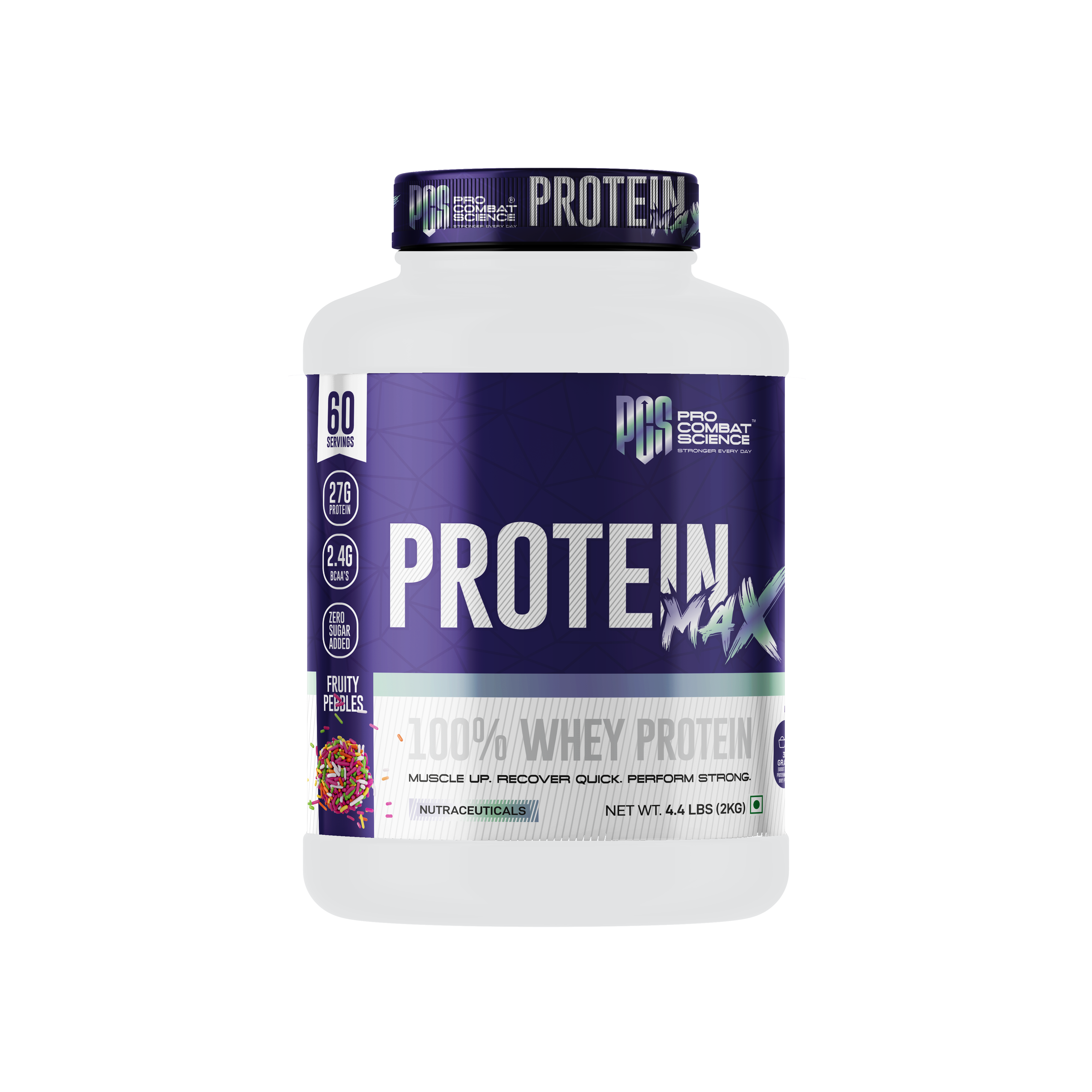
PCS products should be considered only from their current pack labels and verified product pages. This guide does not infer ingredients, nutrition values, serving instructions or benefits for any specific PCS product.
Limits and when to get advice
Food allergies, digestive symptoms, pregnancy, breastfeeding, kidney disease, other medical conditions and regular medicines can change what is appropriate. A qualified professional can help place supplements within your full diet and health context. A product choice is not a diagnosis or treatment plan.
Keep the decision boring enough to repeat
The best choice is often the one you can use calmly and consistently: a product with a clear label, a realistic pack size and a role that does not compete with ordinary food. You do not need a dramatic before-and-after claim to make a sensible purchasing decision. Keep the product invoice and batch details, store the pack as directed, and reassess the purchase when the pack is finished rather than automatically subscribing to another one.
Editorial note
This article is educational information, not personal medical advice. Training progress also depends on normal food, recovery, hydration and consistent training.