
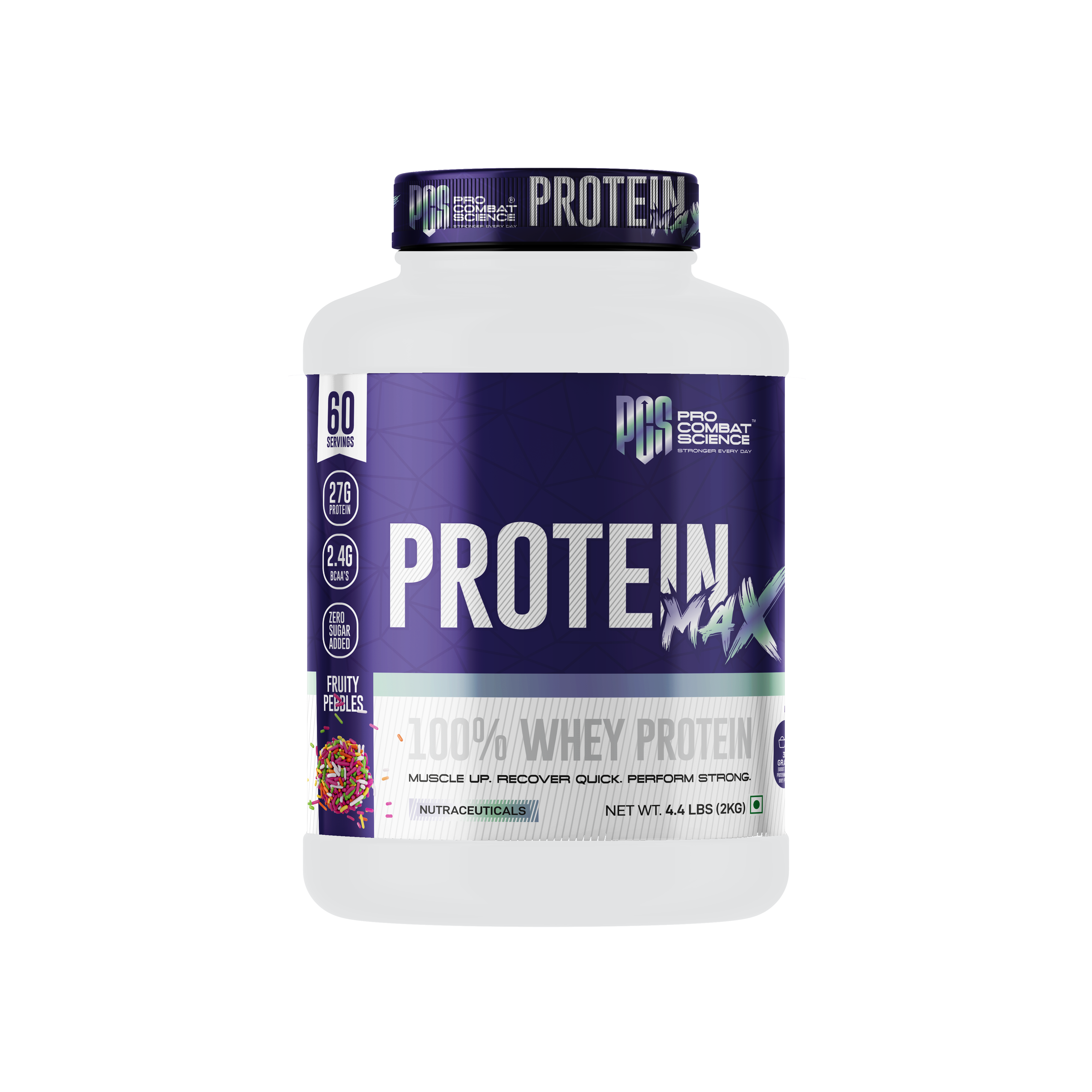
The routine before the supplement
The least glamorous parts of training usually decide whether a supplement earns a place: meals you can repeat, water through the day, sleep that is long and regular enough for you, and a training plan you can follow. Supplements can be convenient, but they are not a substitute for those foundations. The ICMR–NIN dietary guidelines emphasise varied diets and healthy routines; that is a more durable starting point than buying a full stack on day one.
A simple decision framework
First, define one training goal in plain language. It might be “make breakfast less rushed before morning training” or “stop missing a convenient food option after a late session.” Then examine your normal meals for two weeks. Do not compare them with a perfect diet online. Look for the practical friction: a skipped meal, a long travel day, a flavour you will not use, or a bedtime that makes late caffeine a poor fit.
Next, fix the basics you can control. Prepare an easy food option, carry water, set a training time you can repeat and protect sleep before adding a product. If there is still a defined gap, read labels and select one product that matches that gap. Do not buy five products in the hope that one of them creates consistency for you.
A hypothetical scenario—not a customer story
Imagine an adult who trains after work three days a week. They often reach the gym dehydrated, sleep late after scrolling, and skip dinner planning. Buying a stimulant, protein powder and “recovery” product together will not tell them what is useful. A more sensible experiment is to improve water intake and dinner planning first. If they then identify a genuine convenience gap, they might introduce one appropriately labelled food or supplement product, keep other changes stable, and observe how it fits their routine. This is a framework, not a prescription and not a claim about a real person.
Introduce one product at a time
One change at a time makes a routine easier to understand. Read the pack, follow its stated use, and note simple observations: Did it fit the planned time? Did it displace normal food? Was sleep affected? Did you experience anything you did not tolerate? A note in your phone is enough. If something feels wrong, stop and seek appropriate professional advice rather than adding another product to counter it.
Money-saving checklist
Name one specific problem before buying.
Check normal meals, sleep, hydration and training consistency first.
Read serving size, ingredients, allergens, cautions, batch details and storage instructions.
Compare like-for-like packs, not front-label promises.
Introduce only one new product at a time.
Do not stack stimulant products or use products to cover repeated poor sleep.
Reassess after a few weeks: did it solve the original practical problem?
Avoid the stacking trap
More tubs can mean more confusion, more expense and a greater chance of overlooking duplicate ingredients or stimulants. “Complete stack” language can be appealing, but a routine only needs what has a clear role. A product that is not useful for your meals, training or recovery can remain on a shelf regardless of how often it appears in a transformation video.
Limits and professional advice
If you have medical conditions, allergies, take medicines, are pregnant or breastfeeding, or experience symptoms you are concerned about, speak with a qualified health professional before starting or continuing a supplement. No general article can personalise a routine. Sports nutrition should support—not replace—food, sleep, hydration and a training plan.
Make the routine easy to audit
An honest routine has room for a missed session or a busy week. Keep a short note of what you bought, why you bought it, what the label says, and whether it actually helped the original practical problem. That record can prevent repeat purchases made from urgency rather than need. It also makes it easier to explain a product to a clinician or dietitian if you ever need individual advice. If the goal changes, reassess from food and training basics again instead of assuming every old product still has a role.
Editorial note
This article is educational information, not personal medical advice. It does not diagnose, treat, prevent or cure any condition.